To V&A East! …on Wednesday lunchtime for The Music is Black exhibition.
Make no mistake this is a major statement from the recently opened gallery space. The style and substance suits Stratford and surrounds perfectly. This is a big hitter on every level.
We first had to overcome the complete culture shock of the Bright Young Things at the London College of Fashion next door. It’s been a while since I’ve seen ponchos and cowboy boots being worn with no sense of irony around town.
We made our way upstairs to the third floor ticketed gallery space. Headphones were handed over.
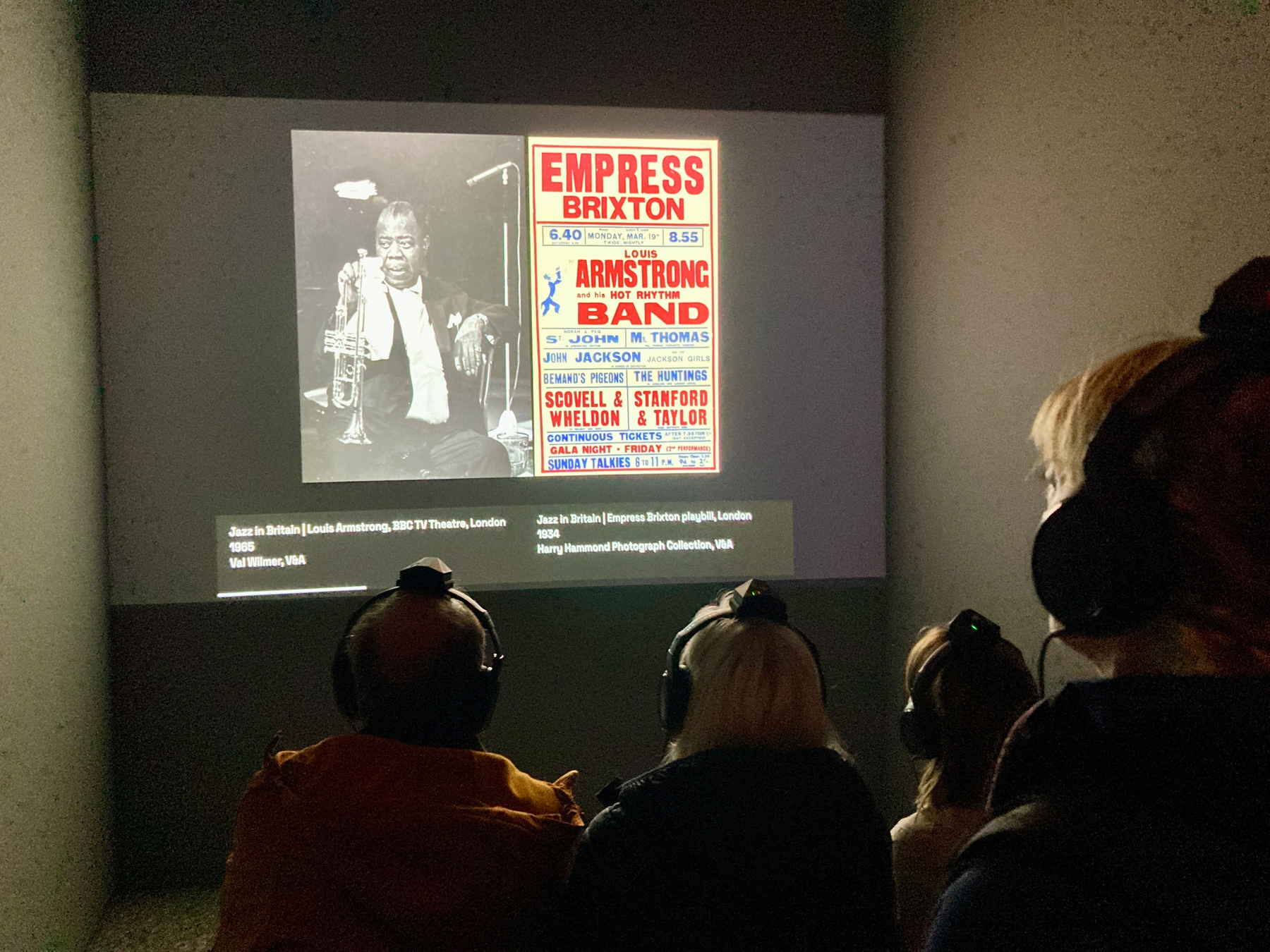
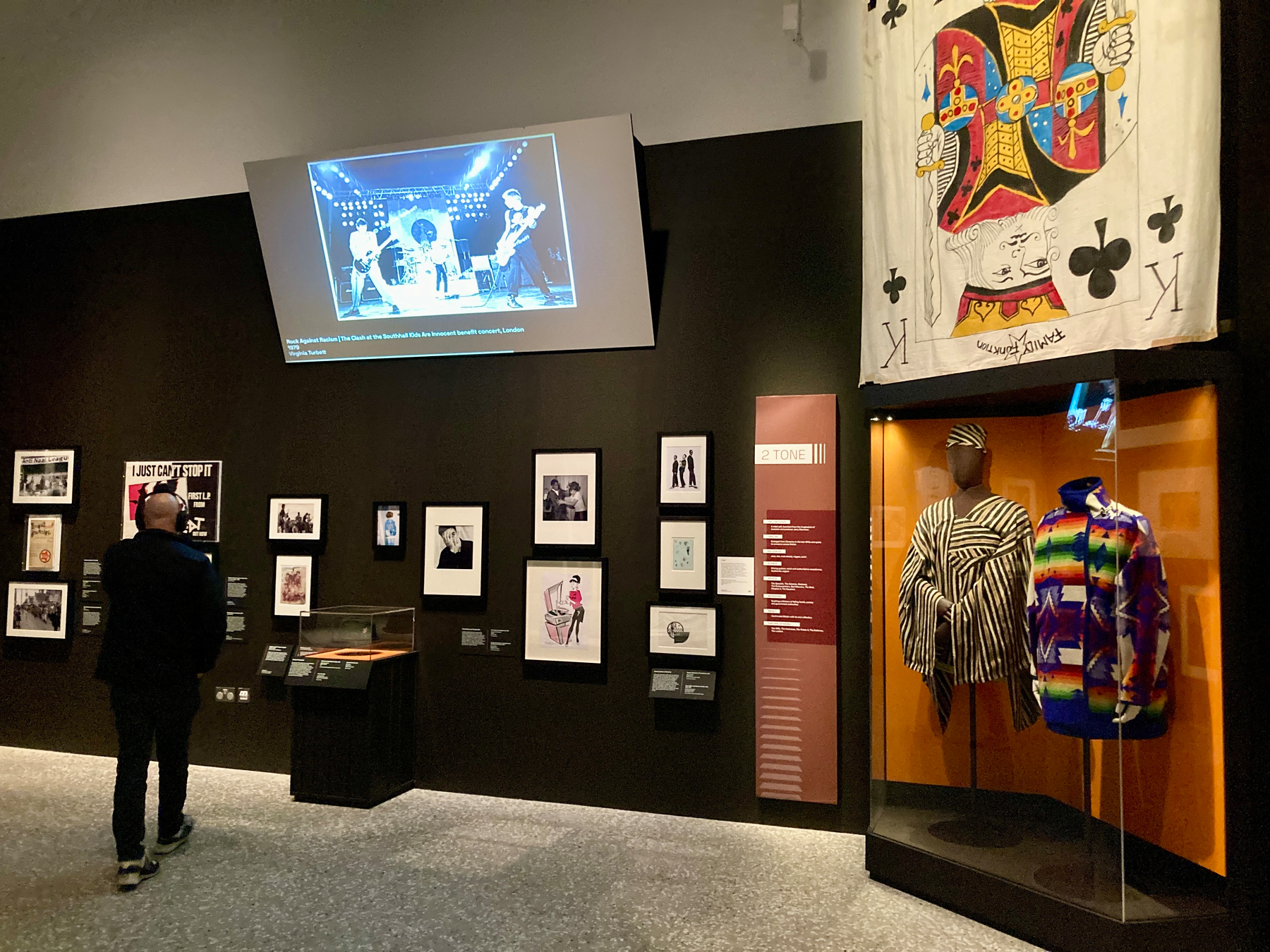
This was an immersive exhibition without being too poncey. The soundscape in your ears changes as you move between exhibits. I rather like the idea of not having to make conversation with anyone.
For a Wednesday lunchtime the gallery space was pretty empty. This gave us time to explore each display without feeling that there was someone looking over our shoulder.
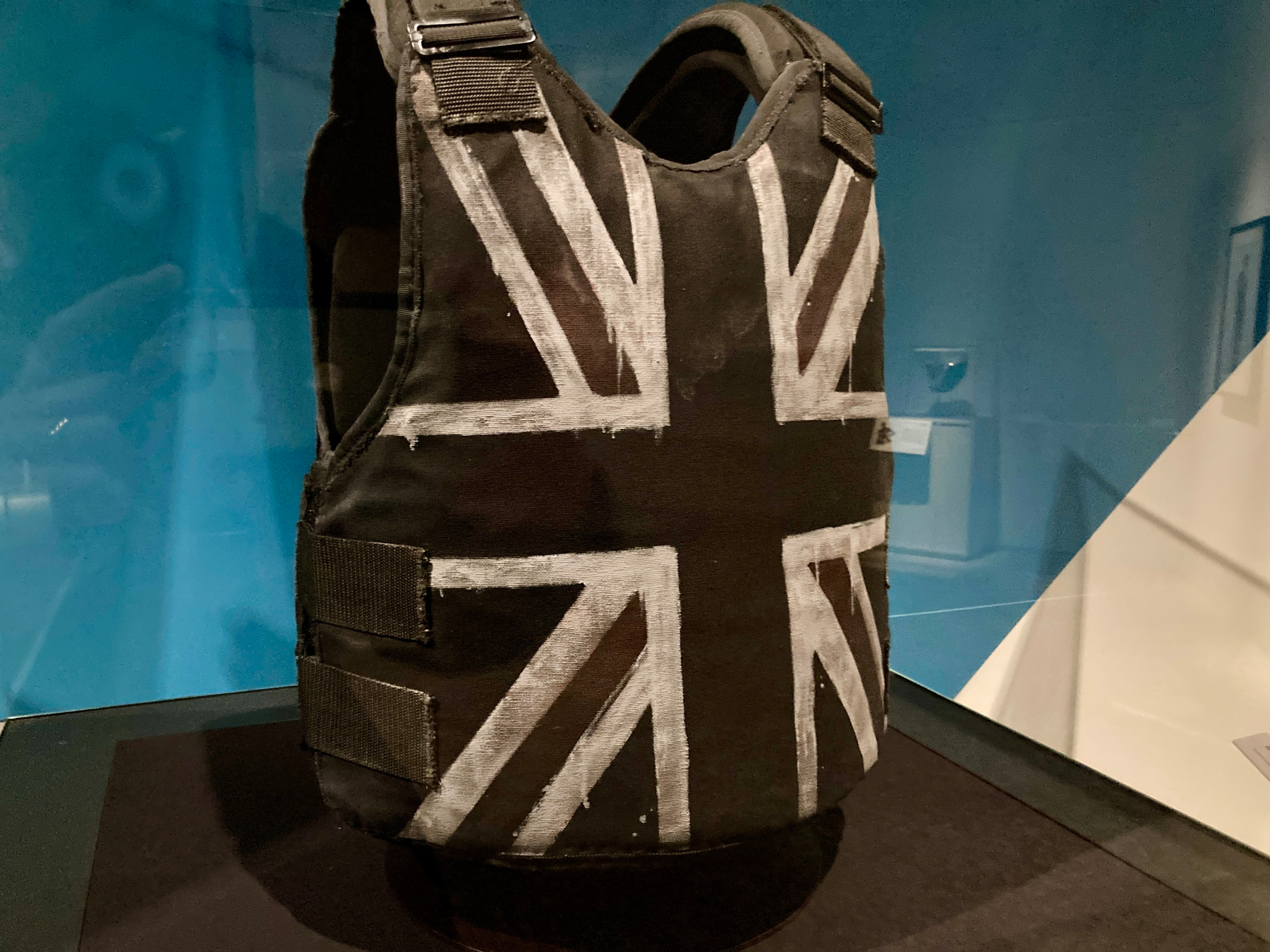
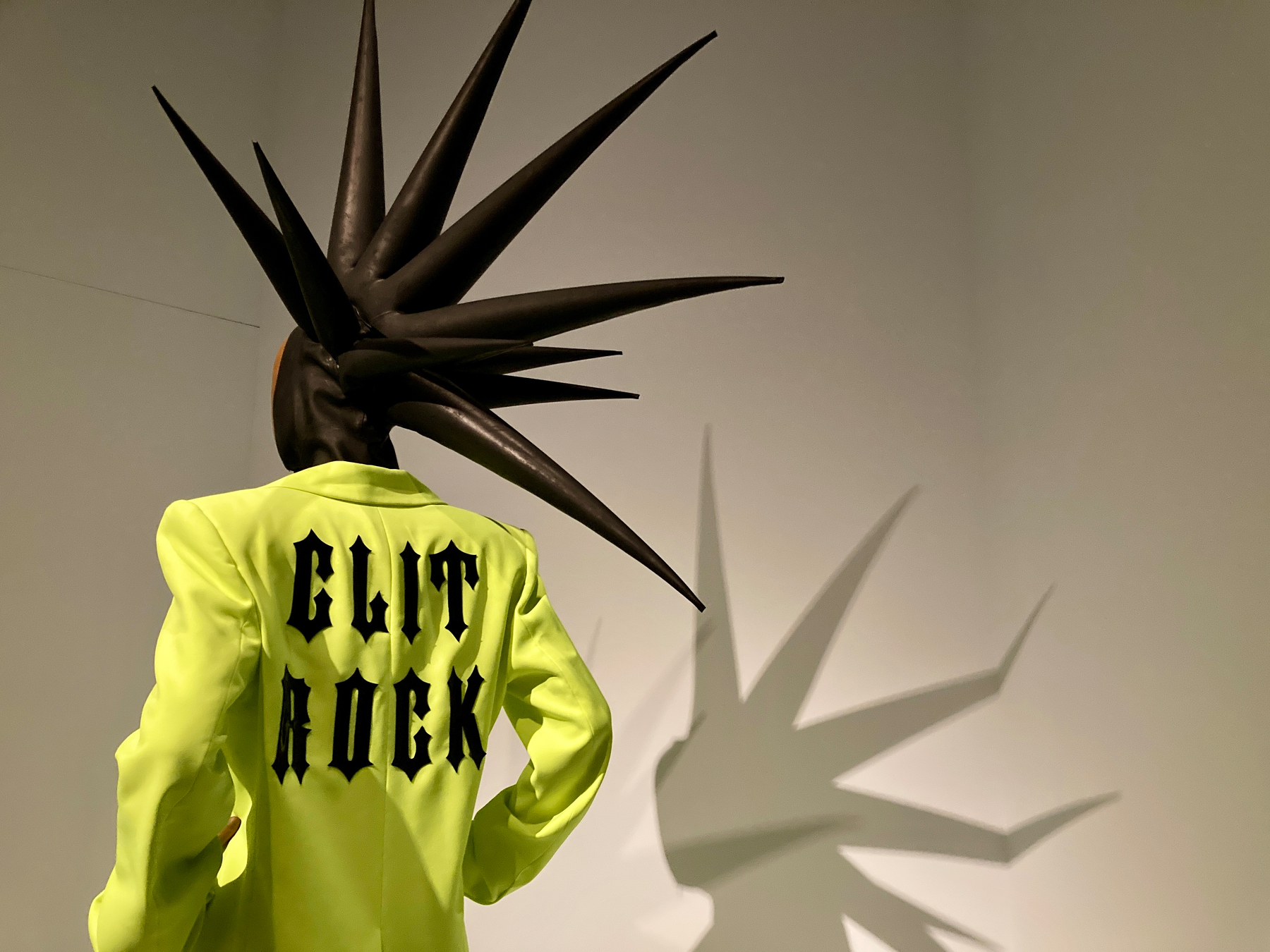
It’s impossible to go through the whole contents of The Music is Black without missing some of the highlights. This is a vast and equally ambitious exhibition. The curators do more than just get away with helping to explain how black culture has made a major contribution to British society.
It starts with the slave trade origins. This was incredibly uncomfortable, but at least it showed that the unforgivable past is not being written out of history.
What I liked - if that doesn’t sound too grim - is that the gallery space lighting was incredibly dark to match the sinister theme. As you then move your way around the different galleries, the lighting becomes more prominent as the optimism and positivity of black British culture shines through.
The first uplifting sounds came from gospel. We then entered jazz territory, with one particular fave being a Charlie Parker original acetate, as once owned by Charlie Watts.
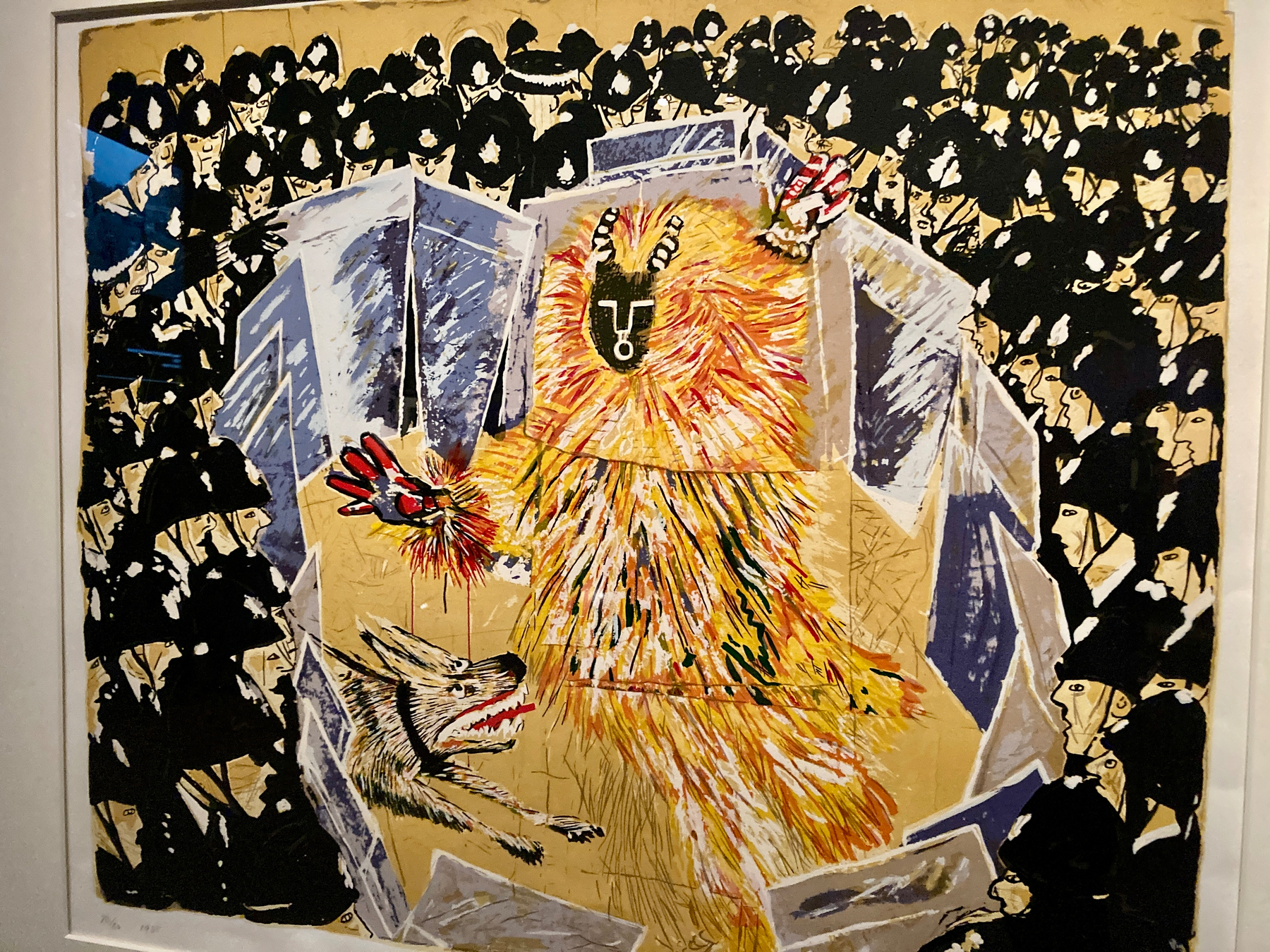
The beat livened up with calypso and a major section on the Windrush generation. A whole room was given over to Carnival, such is the importance of the annual event at Notting Hill.
And then we come to reggae. Woh. Where to start? What the exhibition manages to capture perfectly is to reframe the reggae conversation. It’s explained as a reintroduction to break down the tired and old tropes.
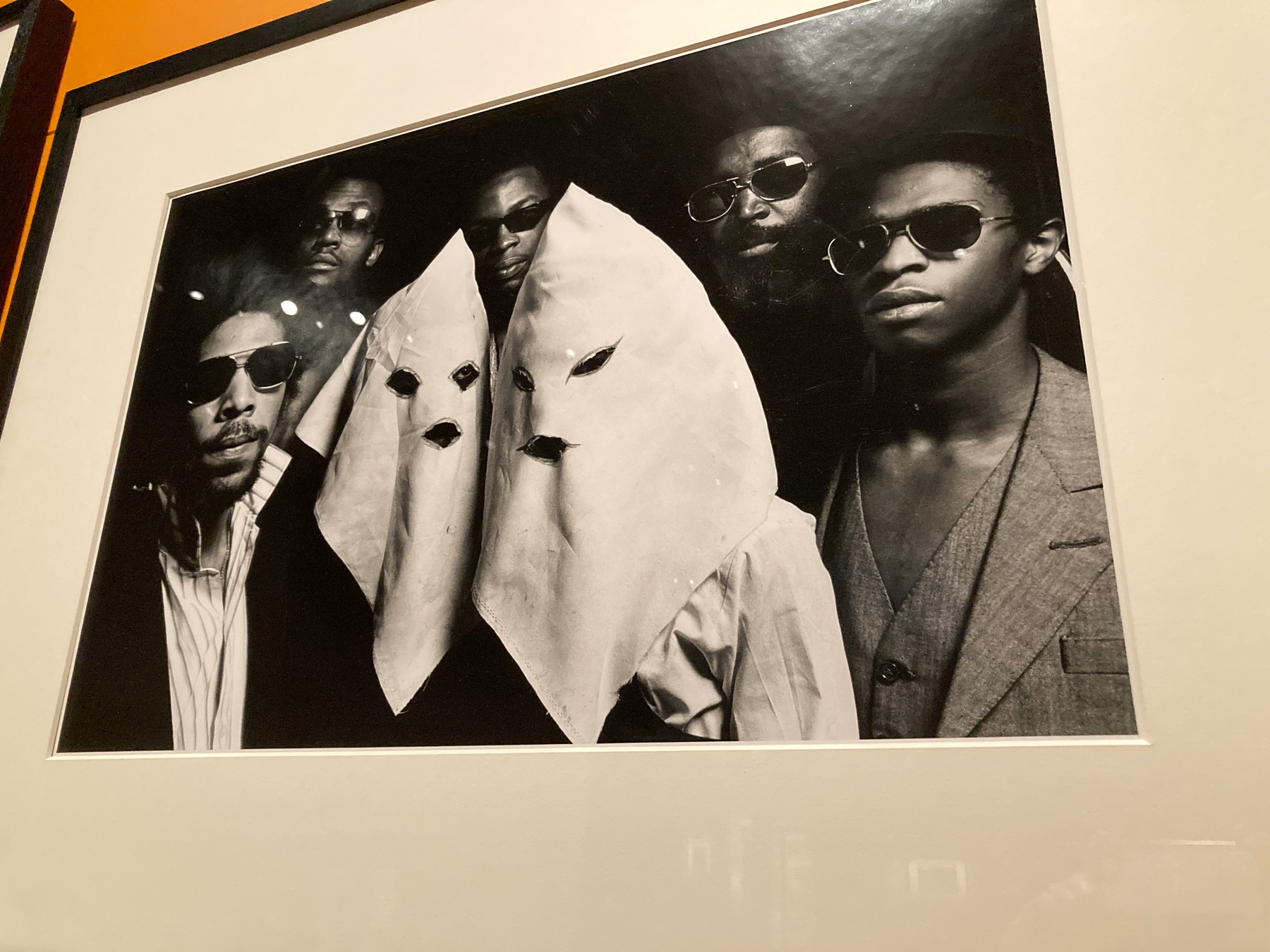
This is a very British story despite its Caribbean origins. It’s backed up brilliantly by the Dennis Morris photography, who was on the ground to capture those crucial early years in the ’70s.
I absolutely loved the Lovers Rock displays. You get to see the dress worn by Janet Kay on TOTP. The V&A headphones just about managed to handle the high notes being screeched out.
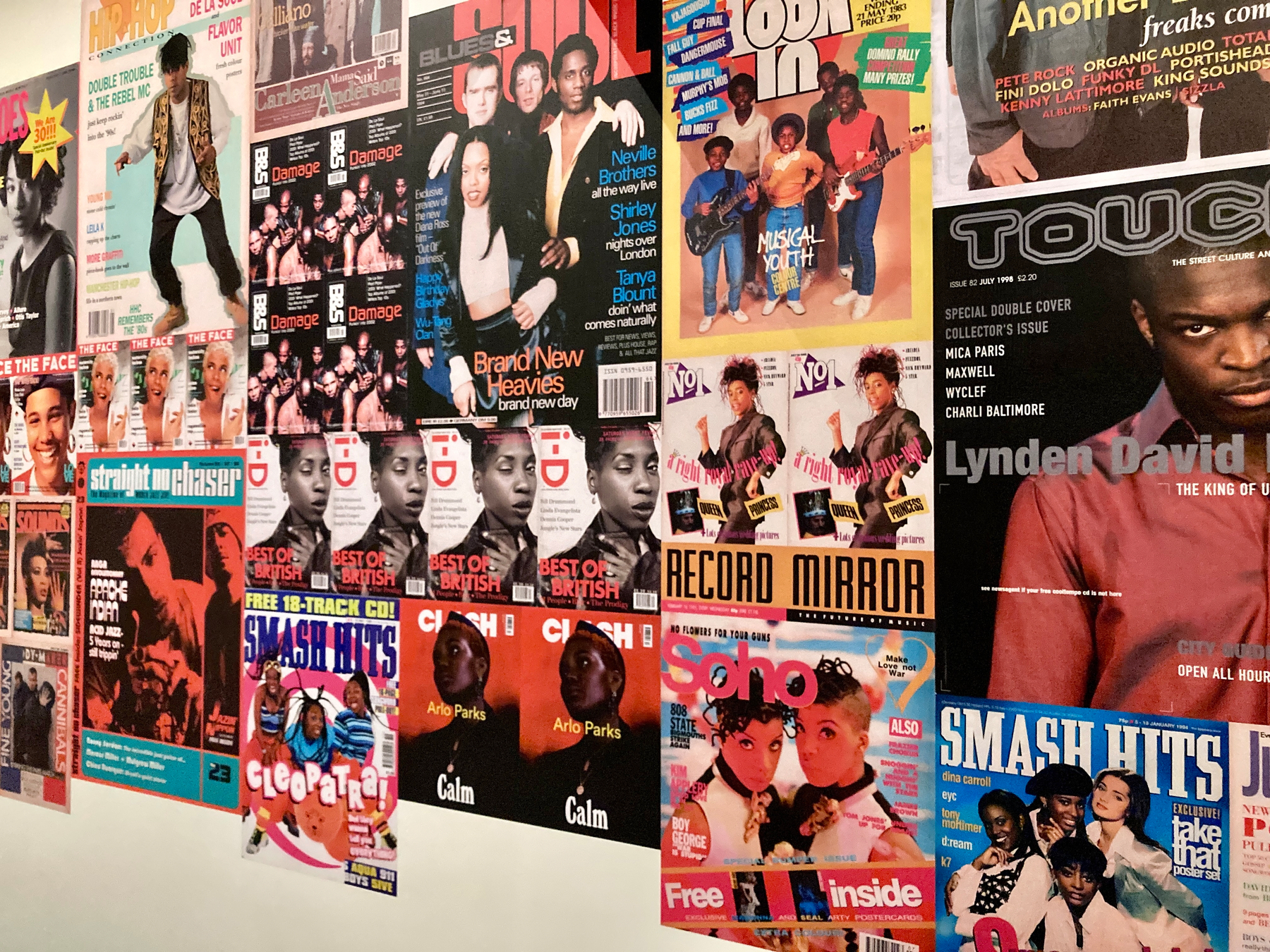
Time mid-80s. Although the title of the exhibition is The Music Is Black, it’s more a celebration of the contribution that black culture has made as part of that melting pot of unique British street culture.
Actually let’s be honest, we’re talking London street culture.
There’s a keyboard as played by Paul Hardcastle on 19. SHOUT OUT as well to some of the immaculately smart and petite dresses worn by the Cool Notes. It really is time for that Britfunk revival.
Speaking of which there’s a Mark King bass on show. I was expecting it to be battered around the pickup, giving his unique slap technique, but nope, it looks pristine.
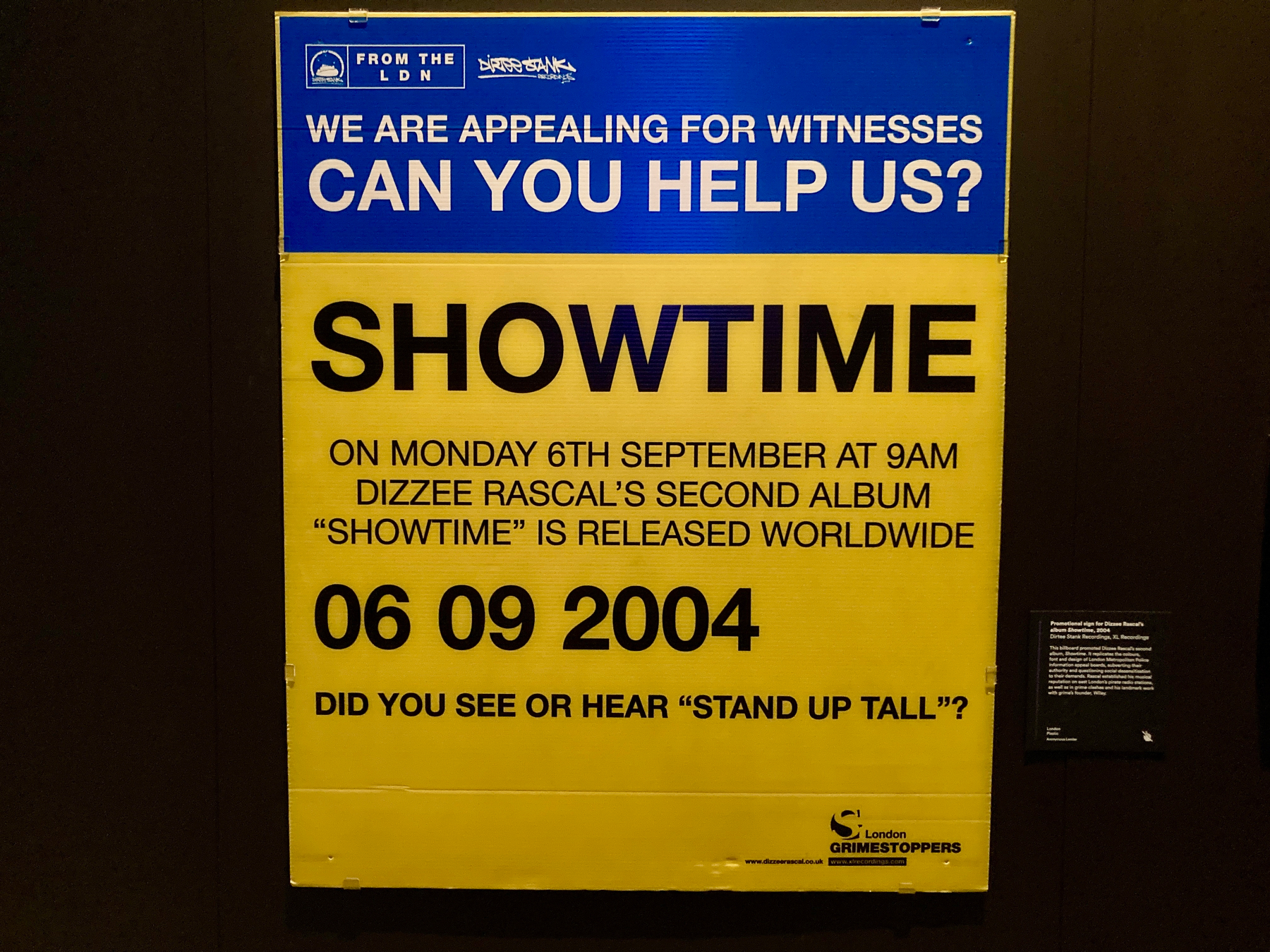
Grime and its various deviations take up most of the final part of the exhibition. There’s a fantastic photo of So Solid standing by the old Battersea water tower. I miss seeing that from the flat window as Concorde used to roar overhead around 4 pm every day.
The attention to detail across the whole exhibition is superb. Even dear old Smiley Culture gets a look in.
My one criticism is the omission of Soul II Soul. You can’t underestimate the influence Jazzy B and the collective had on developing black music in the late 80s. All I could see was one photo of Soul II Soul, unless I missed something?
We were thinking of staying at The Music Is Black for an hour or so. Three hours later I think we were just about done.
What’s amazing is that it tells you things you didn’t know without relying on rolling out the old narrative. Just tell me something new, etc.
You can sit down and watch all those tried and tested Friday night BBC Four docs but you won’t get the same level of detail, insight, or even the chance to physically experience some of the artefacts associated with these wonderful sounds.
No exaggeration but this is the best exhibition I’ve been to in many, many years.